
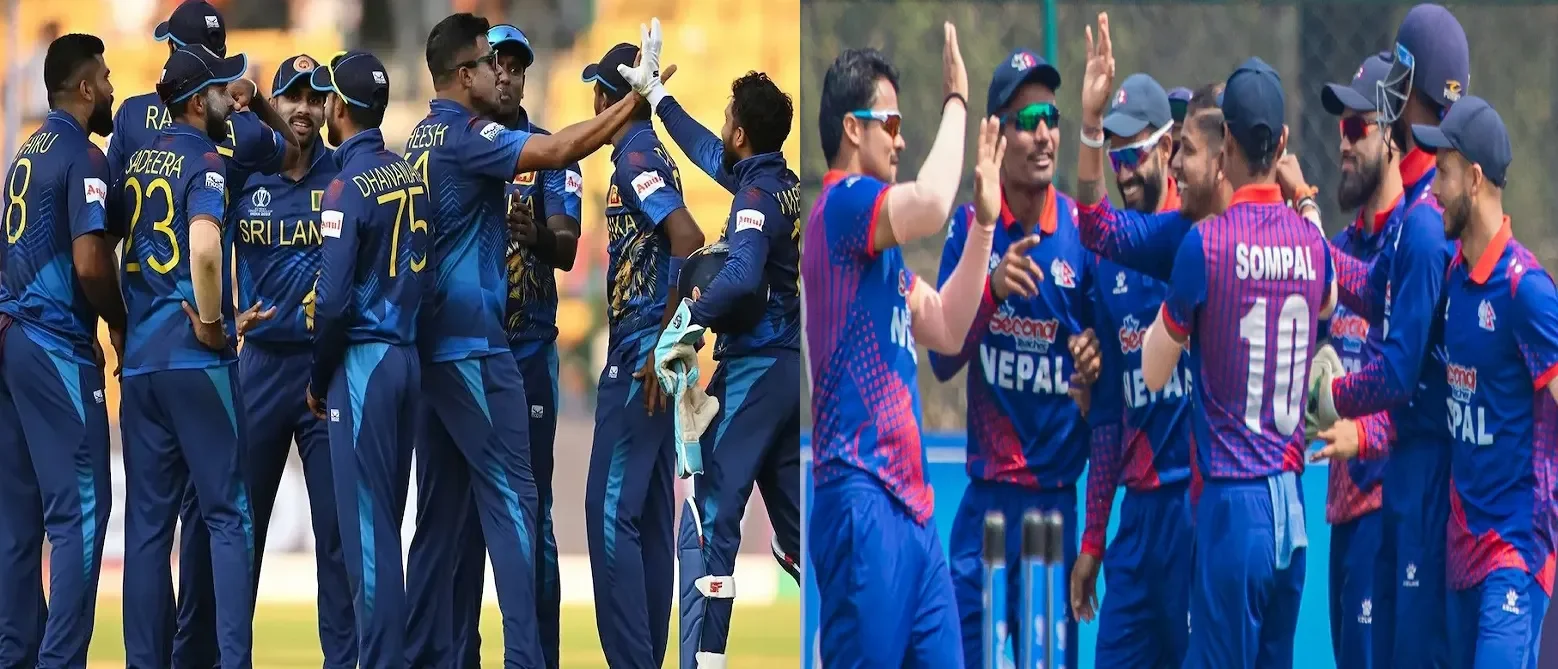
The Ultimate Guide to Understanding and Using an Online Cricket ID in Modern Cricket
The sport of cricket has evolved dramatically over the past two decades. From traditional paper scorebooks to real‑time data analytics, the game now hinges on technology to streamline everything from player registration to performance monitoring. At the heart of this transformation lies the Online Cricket ID. This unique digital identity functions much like a passport for every cricketer—amateur, semi‑professional, or international—providing a single, secure reference point for governing bodies, clubs, scouts, and fans.
In this comprehensive guide, we explore the concept of the Online Cricket ID, its benefits, the role of a reliable Online Cricket ID Provider, and how players can leverage their digital identity to advance their careers. Whether you’re a budding cricketer, a club administrator, or a national board official, understanding this system is essential for thriving in the modern cricket ecosystem.
What Is an Online Cricket ID?
An Online Cricket ID is a secure, unique alphanumeric code assigned to an individual player after verification of personal and cricket‑related details. Think of it as a digital fingerprint that links a player’s profile—a collection of statistics, match histories, eligibility documents, and medical records—to a single, universally recognizable identifier.
Key components of an Online Cricket ID include:
- Unique Identifier: A combination of numbers and letters that never repeats.
- Verified Personal Data: Name, date of birth, gender, and government‑issued ID proof.
- Cricket Credentials: Club affiliations, coaching certificates, and tournament participation.
- Health & Fitness Records: Medical clearances, injury logs, and fitness test results.
By consolidating these data points, the Online Cricket ID replaces fragmented paperwork with a streamlined, searchable profile accessible to authorised stakeholders.
How the System Works: From Registration to Real‑Time Updates
The lifecycle of an Online Cricket ID can be broken down into four stages:
- Initial Registration: The player completes an online form, uploads verification documents, and pays a nominal processing fee.
- Verification Process: A certified Online Cricket ID Provider cross‑checks every detail against government databases and cricket authority records.
- Issuance & Activation: Upon approval, a unique ID is generated, and the player receives login credentials to access their dashboard.
- Continuous Updates: As the player participates in matches, trainings, or undergoes medical assessments, the system automatically updates the profile, ensuring real‑time accuracy.
This end‑to‑end digital workflow eliminates the delays and errors associated with manual paperwork, empowering cricket boards to make faster, data‑driven decisions.
Benefits for Players: Faster Eligibility, Transparent Stats, and Career Growth
For cricketers, the Online Cricket ID is more than just a number; it is a catalyst for professional development. Here are the top advantages:
- Instant Eligibility Verification: When applying for a tournament, the organizing committee can instantly confirm the player’s age group, nationality, and compliance with anti‑doping policies.
- Unified Statistics: All match performances—from local league games to international fixtures—are automatically aggregated, providing a holistic view of a player’s career trajectory.
- Enhanced Visibility: Scouts and talent managers can search the database using filters such as batting average, bowling economy, or fitness score, making it easier for promising talent to be discovered.
- Secure Health Records: Continuous medical updates ensure that players are cleared for competition, reducing the risk of injury and safeguarding the integrity of the sport.
- Career Portability: Switching clubs or moving between states no longer requires a new set of paperwork; the same Online Cricket ID travels with the player, simplifying transfers.
Advantages for Administrators and Governing Bodies
Cricket administrators reap significant operational efficiencies from adopting a unified digital identity system. Some of the primary gains include:
- Reduced Administrative Overhead: Automated data entry and verification lessen the burden on staff and minimise human error.
- Improved Compliance: With a built‑in audit trail, boards can easily verify that all participants meet league regulations, age limits, and anti‑corruption protocols.
- Data‑Driven Decision Making: Access to aggregated performance metrics supports strategic planning, talent identification, and resource allocation.
- Enhanced Fan Engagement: Integrated APIs allow broadcasters and app developers to pull live player stats, enriching the viewing experience.
- Scalable Infrastructure: As cricket expands into new markets, the same platform can accommodate additional languages, regions, and competition formats.
The Role of an Online Cricket ID Provider
Choosing the right Online Cricket ID Provider is crucial for ensuring data security, compliance, and user experience. A reputable provider will typically offer:
- Robust Verification Protocols: Multi‑factor authentication, biometric checks, and cross‑referencing with government databases.
- Data Privacy Guarantees: End‑to‑end encryption, GDPR‑compliant storage, and clear consent mechanisms.
- Seamless Integration: APIs that connect with existing league management software, scoring apps, and ticketing platforms.
- Support Services: 24/7 helpdesk, multilingual support, and regular system updates.
- Scalable Pricing Models: Options ranging from pay‑as‑you‑go for grassroots clubs to enterprise packages for national boards.
Providers that invest in continuous innovation—such as blockchain‑based identity proofs or AI‑driven performance analytics—position their clients at the forefront of cricket’s digital transformation.
Implementation Best Practices for Cricket Boards
Adopting an Online Cricket ID system is a strategic initiative that requires careful planning. The following best practices help ensure a smooth rollout:
1. Conduct a Stakeholder Audit
Identify all parties who will interact with the system—players, coaches, medical staff, referees, and sponsors. Understanding their data needs prevents silos and encourages collaboration.
2. Pilot the Program
Launch a pilot with a single regional league or age‑group tournament. Use the feedback to refine verification steps, user interface, and communication protocols.
3. Provide Comprehensive Training
Offer webinars, step‑by‑step manuals, and on‑site workshops to ensure that administrators can manage registrations, resolve disputes, and generate reports efficiently.
4. Establish Data Governance Policies
Define who can access which data fields, set retention periods, and outline procedures for data correction or deletion to comply with privacy regulations.
5. Promote Awareness Among Players
Run awareness campaigns emphasizing the benefits of an Online Cricket ID—faster tournament entry, better visibility, and secure health records—to encourage adoption.
Case Study: Success Stories from the Field
Below are two illustrative examples demonstrating how the Online Cricket ID has transformed cricket operations.
Case 1 – Regional U‑19 League (India)
The Eastern Cricket Association introduced the Online Cricket ID for its U‑19 league in 2023. Within six months:
- Eligibility verification time dropped from 7 days to under 2 hours.
- Player injury reports were updated in real time, cutting match‑day withdrawals by 30%.
- Scouts from two IPL franchises discovered three high‑potential bowlers through the platform’s searchable database, leading to contracts worth INR 2 crore.
Case 2 – Women’s Premier League (Australia)
The Women’s Premier League partnered with an Online Cricket ID Provider to create a unified player hub. Outcomes included:
- All 140 players had their health, performance, and contract data consolidated, enabling negotiators to make data‑backed offers.
- Fan engagement rose by 18% as broadcasters displayed live stats sourced directly from the ID system.
- The league achieved ISO‑27001 certification for information security, boosting sponsor confidence.
These examples underscore how a well‑implemented digital identity framework can deliver tangible benefits across competitive levels.
Future Trends: AI, Blockchain, and the Next Generation of Player IDs
The journey doesn’t stop at basic identity verification. Emerging technologies promise to further revolutionise cricket administration:
- Artificial Intelligence: Predictive analytics can use a player’s ID data to forecast performance spikes, injury risks, and optimal batting positions.
- Blockchain: Immutable ledgers could store match‑day records, ensuring tamper‑proof statistics and enhancing anti‑corruption measures.
- Wearable Integration: Smart devices linked to the Online Cricket ID could stream live biometric data—heart rate, sprint speed—directly to coaches.
- Virtual Reality (VR) Scouting: Scouts might explore 3‑D reconstructions of a player’s technique, anchored to their digital identity.
Adopting these innovations will require forward‑thinking partnerships with technology providers who understand both cricket’s regulatory landscape and the intricacies of secure identity management.
Conclusion: Embracing the Digital Identity Era in Cricket
In an age where data is as valuable as talent, the Online Cricket ID stands out as the cornerstone of modern cricket administration. It offers players a streamlined pathway to showcase their abilities, provides administrators with reliable, real‑time data, and opens doors for technological advancements that can elevate the sport to new heights.
For cricket boards, clubs, and aspiring athletes, the message is clear: invest in a trusted Online Cricket ID Provider**, adopt best‑practice implementation strategies, and stay ahead of emerging trends. By doing so, you not only safeguard the integrity of the game but also empower the next generation of cricketing stars to thrive in a fully digital, transparent, and connected environment.